
11 College Football 26 Glitches That Are Changing the Meta
Jun-24-2026 PSTCollege Football 26 is quickly becoming one of the most talked-about football simulations, not just because of its gameplay depth, but because of the surprising number of mechanical glitches that can completely change how games play out. From broken route conversions to defensive logic errors and College Football 26 Coins, players are discovering ways to bend the game’s systems in ways most users never expect.
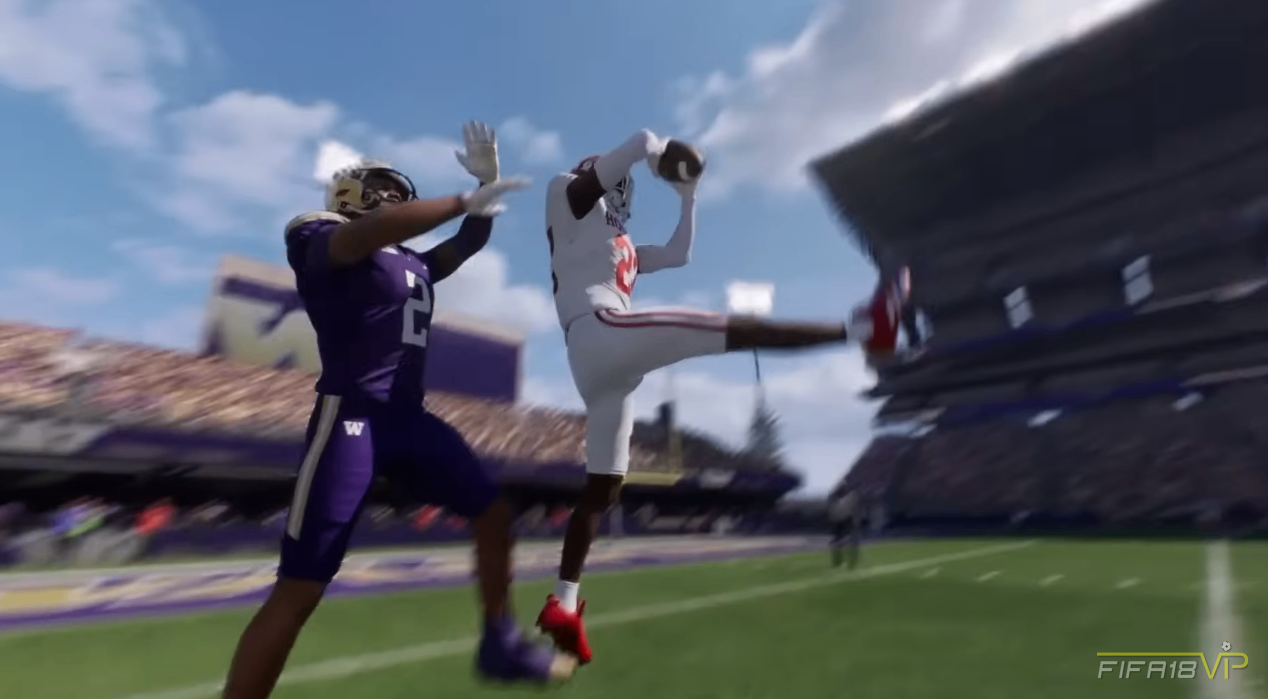
This breakdown covers 11 of the most impactful glitches currently circulating in the meta, how they work, how to use them, and—just as importantly—how to stop them when you face them.
1. The Halfback Auto-Motion Route Exploit
One of the most powerful offensive glitches revolves around halfback auto-motion routes combined with formation audibles. By calling a play where the running back is in motion, then audibling into a formation where he switches sides, the game mislabels his positional assignment.
This allows players to hot-route the halfback into routes normally unavailable to him—such as deep crosses, slants, return routes, Texas routes, and even reversed wheels.
The key requirement is timing: the hot route must be applied before the motion completes. Once done correctly, the halfback essentially becomes a hybrid receiver with expanded route tree access.
Why it works:
The game recalculates player position mid-motion and assigns route permissions based on temporary alignment.
Counter:
Defenders should avoid overcommitting to man coverage adjustments during motion-heavy offenses and instead rely on zone integrity.
2. Defensive Matchup Flip Bug
A major defensive exploit occurs when offensive motion triggers a full secondary flip. Corners and safeties swap assignments unpredictably, breaking pre-snap matchup logic.
This leads to situations where elite defenders end up guarding incorrect receivers, often leaving deep routes completely uncovered.
Counter:
Disable strict cornerback matchup adjustments. Leaving matchups on default prevents the defensive AI from over-reassigning coverage responsibilities during motion shifts.
3. Overpowered Three-Lineman Run Blitz
A widely used defensive glitch involves aligning in a three-down lineman front and manually timing a shoot-through gap against the offensive line.
When executed correctly, the defensive tackle or interior rusher bypasses blocking logic entirely, creating near-instant pressure in the backfield.
Why it works:
Linebackers are treated as hybrid gap-fillers while the interior tackle receives inconsistent blocking recognition.
Counter:
Use quick-hitting runs like draw plays or direct-snap concepts that delay blocking assignment logic. These plays reduce the effectiveness of immediate gap shooting.
4. Contain Rollout Escape Glitch
Quarterback contain mechanics are supposed to prevent scrambling outside the pocket. However, combining full offensive line slides with untargeting edge defenders allows players to slip outside containment.
This creates a reliable rollout lane for throwing on the run.
Counter:
Defenses should mix contain with spy assignments and avoid over-relying on static edge rush containment logic.
5. RPO Read Key Logic Failure
RPO plays contain a structural flaw: the “read key” defender always reacts as a run defender, even when coverage responsibilities suggest otherwise.
This leads to receivers being left unguarded because the AI prioritizes run fits over pass assignments.
Counter:
Defenses should manually assign a non-read-key defender (often a linebacker or slot defender) to cover the RPO target, bypassing the logic conflict.
6. Punt Block Exploit
Special teams contain one of the most aggressive glitches: by aligning in field goal block and timing a user-controlled rush, players can consistently block punts.
The user-controlled defender targets the punter’s foot path, bypassing protection logic.
Counter:
Offenses should immediately audible into fake punt pass plays when they detect heavy block alignment. This turns aggression into a defensive vulnerability.
7. Match Coverage Bomb Routes
Match coverage schemes like Cover 4 Palms can be manipulated using play-action combined with layered route combinations.
A common setup includes:
Streak
Comeback
Crossing route
Drag
The play-action freeze causes flat defenders to hesitate, allowing deep routes to break coverage.
Counter:
Defenses should manually adjust deep zones on the trip side or switch to middle-third safety help to eliminate vertical isolation.
8. Red Zone Slant Manipulation
A well-known red zone exploit uses stacked slants and a timing-based hitch route to manipulate flat defenders in Cover 2 or Tampa 2.
The hitch route forces a cloud flat to step down, creating a window behind it for the slant to break free.
Counter:
User-controlled defenders or tight man coverage assignments are the most reliable solution, as zone logic alone struggles to contain layered slants.
9. Show Blitz Misalignment Bug
The new “show blitz linebackers” mechanic introduces unintended defensive shifting. When combined with additional adjustments (like individual blitzes or contain calls), safeties can drop out of position or collapse into incorrect zones.
This creates massive coverage gaps, especially against vertical routes.
Counter:
If linebackers are shown in blitz alignment, avoid making additional pre-snap adjustments that reassign defensive responsibilities.
10. Covered Shell Identity Confusion
Using a man coverage shell (like Cover 0 or 2 Man) over zone coverage causes defenders to align incorrectly based on shell expectations rather than actual assignments.
This leads to defenders drifting into incorrect zones or failing to match receivers properly.
Counter:
Always match shell type with actual coverage scheme. Mixing man shells with zone coverage significantly increases assignment confusion.
11. Play-Action Match Coverage Freeze
One of the most subtle but powerful glitches occurs when play-action is used against match coverage systems.
Certain defenders freeze briefly, especially force defenders in quarters or palms coverage, allowing streaks and vertical routes to pass uncontested.
Counter:
Defenses can mitigate this by guessing pass pre-snap or assigning safety help over the top of trip formations.
Final Thoughts
College Football 26 is a deep and mechanically rich football simulation, but like many complex sports engines, its systems can be stretched in unintended ways. These 11 glitches highlight how formation logic, player assignment rules cheap College Football 26 Coins, and AI decision-making can all be manipulated under specific conditions.
However, the important takeaway isn’t just how to exploit these mechanics—it’s understanding them. Once you know how they work, you gain two advantages:
First, you can use them creatively to expand offensive and defensive possibilities.
Second, you can recognize and shut them down before they break your game plan.
At higher levels of play, success often comes down to who understands the system better—not just who runs better plays.